
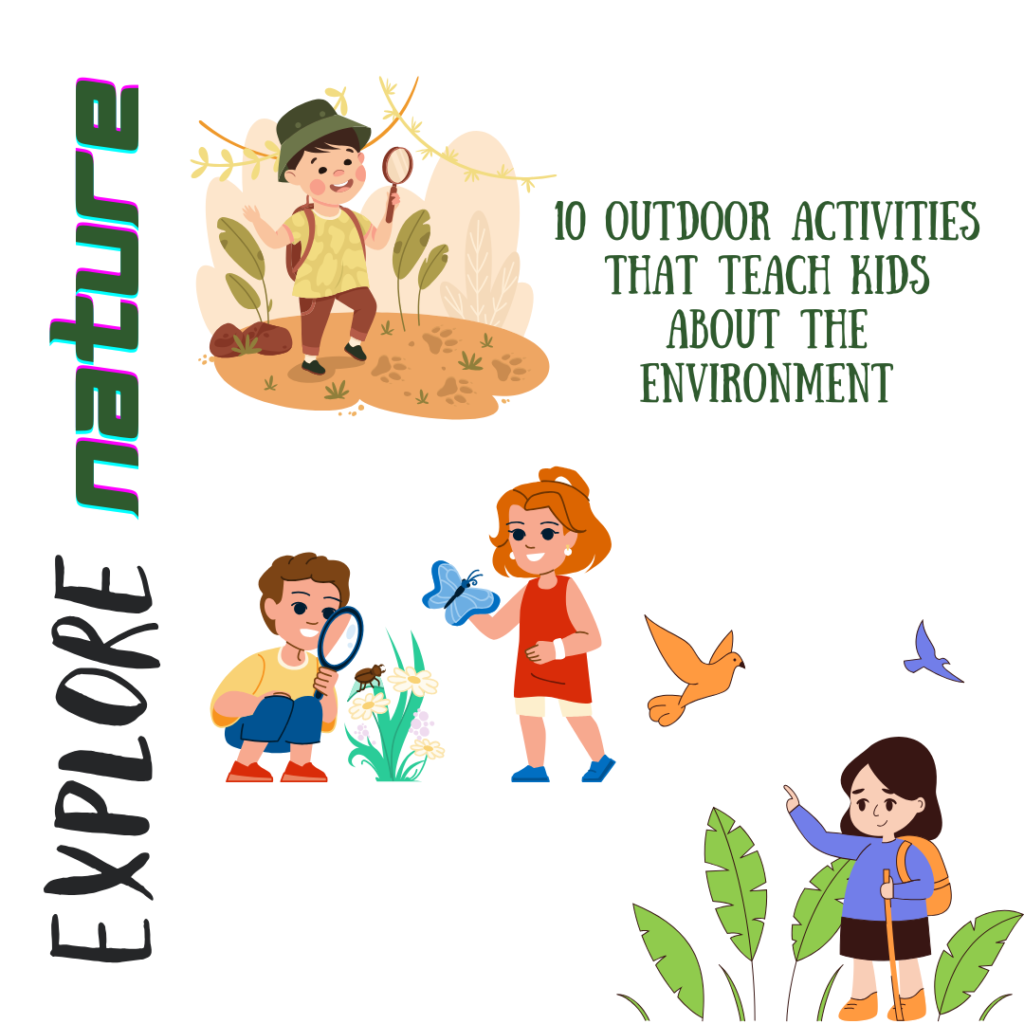
Nature is one of the best classrooms we have, and exploring it together can inspire kids to care for the environment while building lifelong memories. With curiosity as their guide, children can learn hands-on lessons about the natural world—lessons that encourage stewardship, spark wonder, and foster appreciation for our planet. Here are 10 fun and simple outdoor activities that bring environmental learning to life.
1. Nature Scavenger Hunt
Turn a walk in the park into a discovery adventure! Make a list of common outdoor items—like acorns, feathers, different leaf shapes, or animal tracks—and challenge kids to find as many as possible. Not only will they learn about local flora and fauna, but this activity also encourages observation skills and respect for their surroundings.
2. Build a Mini Ecosystem in a Jar
Introduce kids to the concept of ecosystems by creating a small, closed terrarium. All you need is a glass jar, a bit of soil, a small plant or moss, and a few tiny rocks. Kids can observe how water cycles through the closed system and see how plants, soil, and water interact. It’s a fun way to talk about the importance of balance in nature.
3. Bird Watching and Listening
Give kids binoculars and teach them how to identify birds by their colors, shapes, and calls. Keep a simple bird-watching journal where they can jot down or draw the birds they spot. This activity promotes patience and introduces the idea of biodiversity and species identification.
4. Plant a Pollinator Garden
Help kids create a small garden in your yard or a container filled with pollinator-friendly plants. Flowers like sunflowers, lavender, and marigolds attract bees, butterflies, and other pollinators. This activity teaches kids about pollination, the role of insects, and how to create spaces that support local wildlife.
5. Create Art from Natural Materials
Take kids on a nature walk and gather fallen leaves, pinecones, pebbles, or sticks to create eco-friendly art. Leaf rubbings, pinecone animals, or pebble paintings are great ways to let their creativity shine. Discuss the concept of biodegradable materials and why it’s important to leave nature as we found it.
6. Explore the Life in a Pond or Stream
Find a safe pond or stream and bring along a magnifying glass. Kids can gently collect water samples in a clear container to observe the tiny insects, algae, or plants inside. This is a hands-on way to discuss ecosystems and the role of water sources in supporting life.
7. Practice Outdoor Recycling
While on a hike or at the park, bring a recycling bag to pick up litter. Teach kids about the importance of recycling and reducing waste, and help them identify recyclable items versus trash. This activity encourages responsibility and shows that they can actively contribute to a cleaner environment.
8. Create a Nature Journal
Give each child a small notebook to document their findings in nature—whether it’s drawing, writing, or even pressing flowers. Encourage them to record their observations, what they learn, and how they feel about their surroundings. This fosters reflection and mindfulness, key parts of environmental appreciation.
9. Stargazing and Nighttime Exploration
Head outside at dusk to teach kids about the stars and the nocturnal world. Bring a telescope or binoculars and look for constellations. Kids can learn about light pollution and how city lights impact the visibility of stars. This activity provides a gentle reminder that humans share Earth with other natural wonders.
10. Composting 101: Turning Food Waste into Soil
Start a small compost pile or use a compost bin to teach kids how food waste can be turned into rich soil. Kids can add leftover veggie scraps, coffee grounds, or leaves and watch over time as nature “recycles” waste into nutrient-rich compost. This teaches decomposition and the value of minimizing waste.
Why Outdoor Learning Matters
These nature-based activities teach kids essential concepts about the environment while also fostering curiosity, empathy, and creativity. Outdoor learning supports not only environmental awareness but also their cognitive, emotional, and physical